
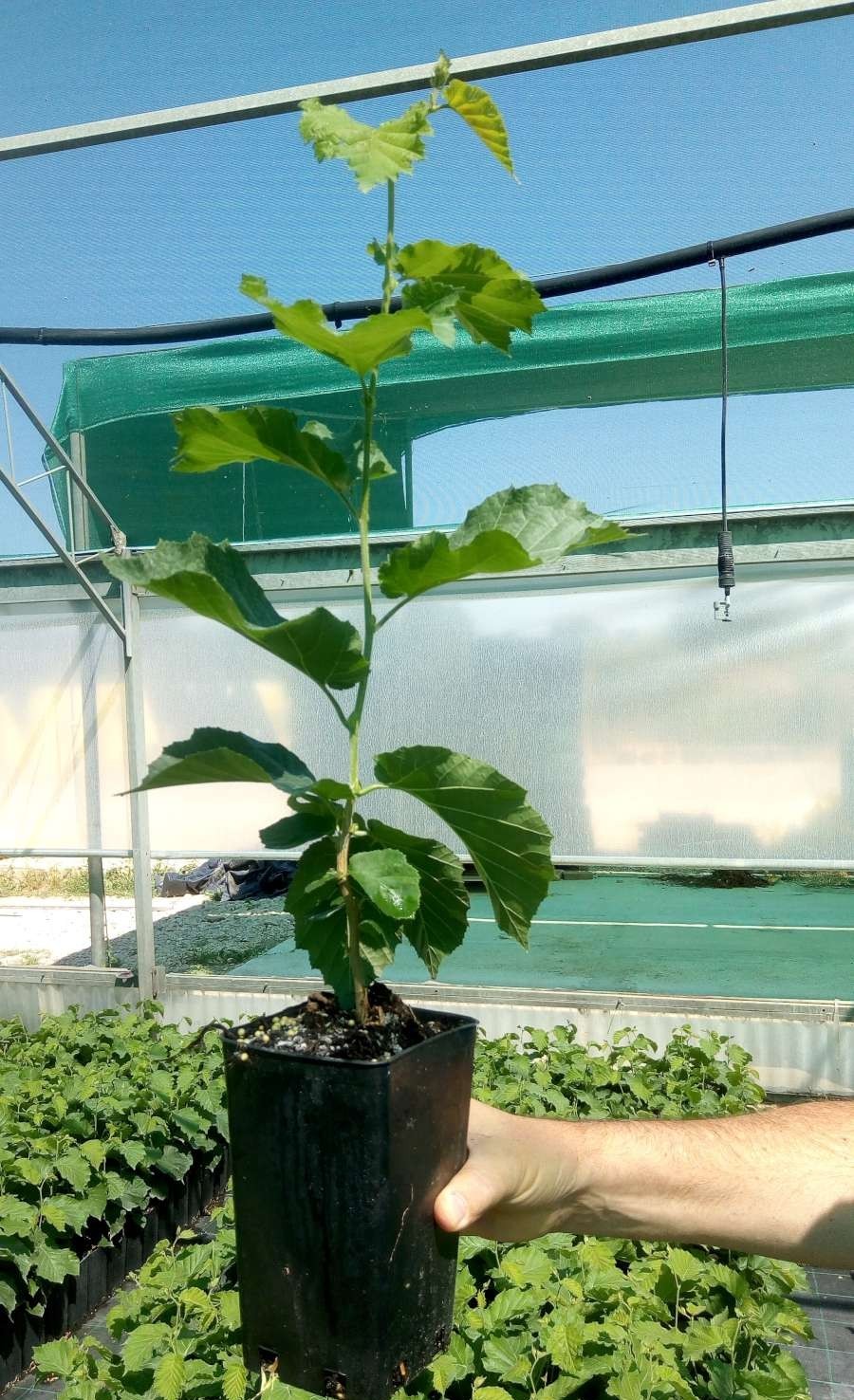
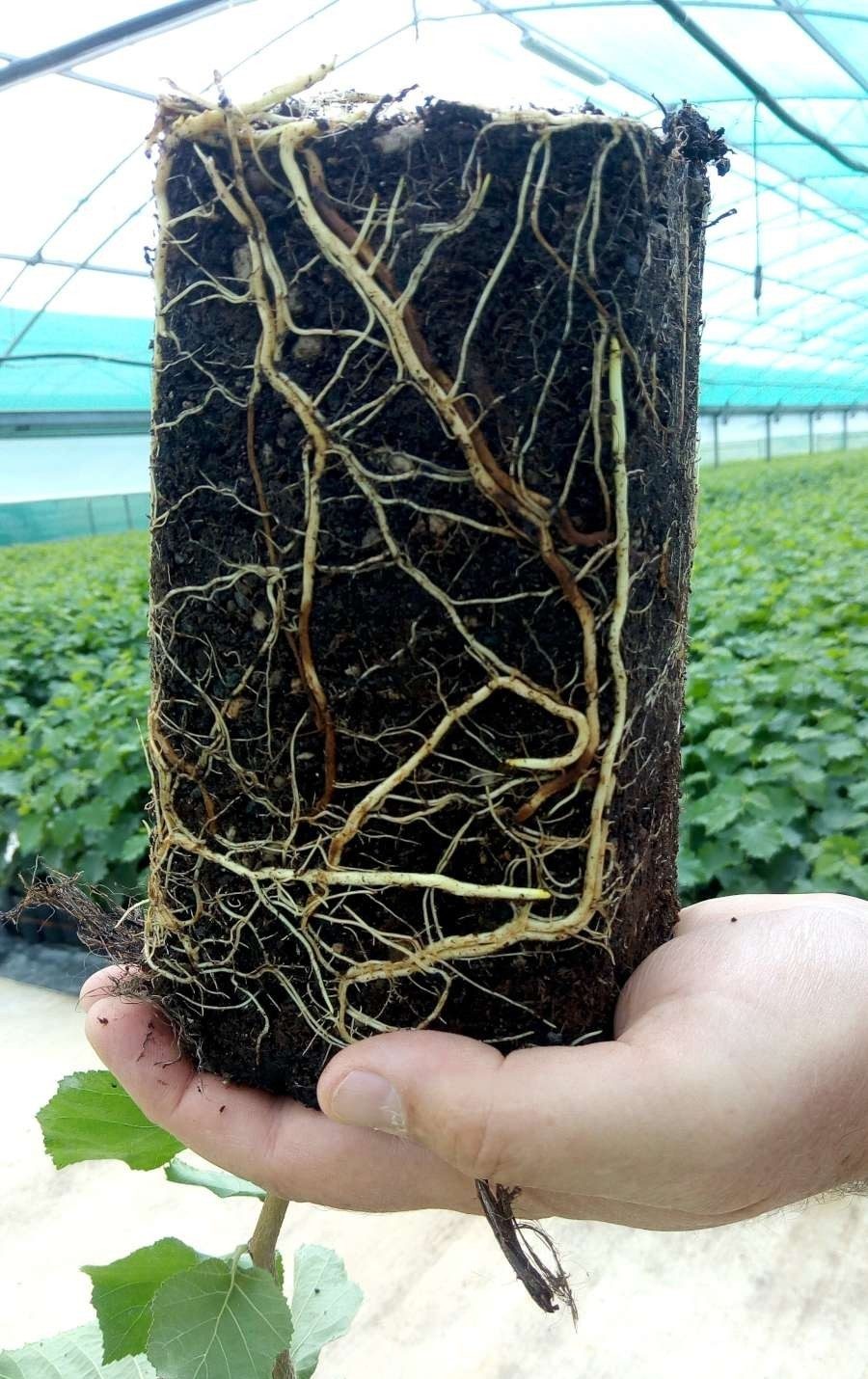
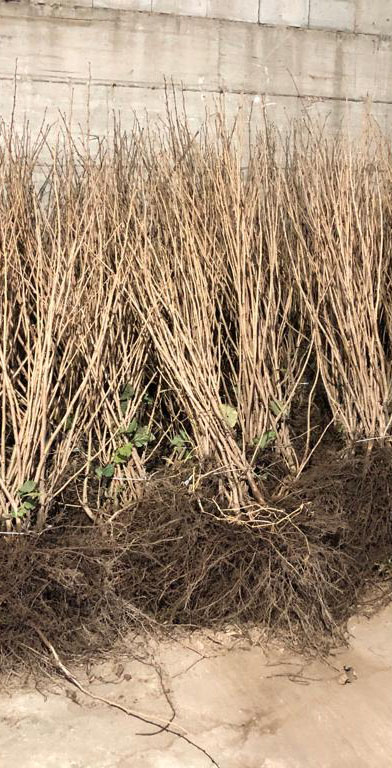
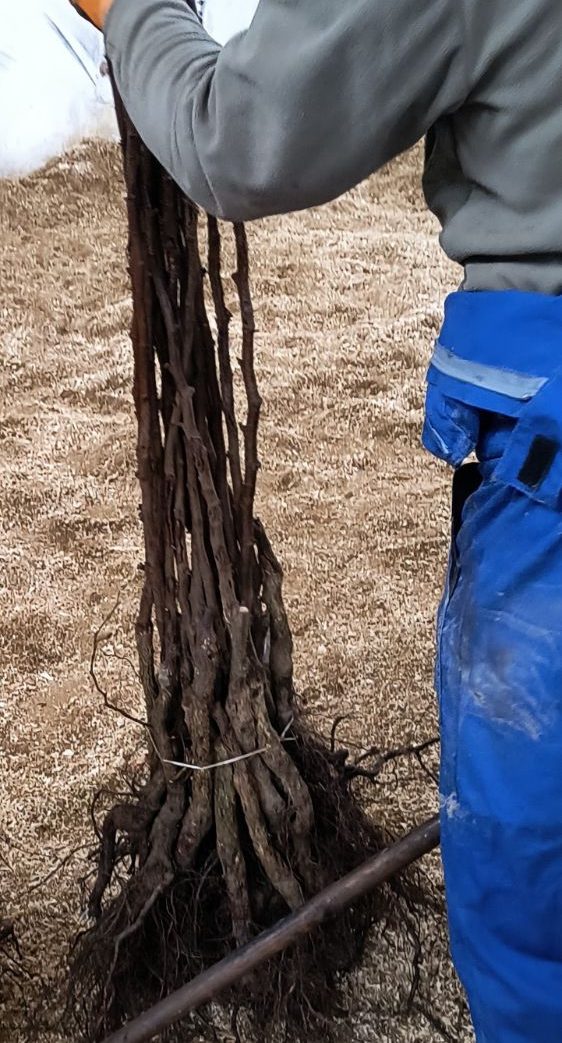
From the very beginning, the Foundation for Agricultural Education in Perugia chose to pursue quality by producing Tonda Francescana® hazelnut seedlings through micropropagation.
In vitro propagation makes it possible to obtain perfectly healthy plants that are free from viruses, fungi, and transmissible bacteria. Plants propagated by suckers and cuttings, instead, are not free from these risks.
Micropropagation allows for the production of large quantities of seedlings in controlled environments, thus promptly meeting growing market demand.
The plants obtained through in vitro propagation are genetically the same as the mother plants kept at the CAV (Nursery Activities Center) screen house located in Tebano – Faenza (RA).
This state-of-the-art facility is managed by CIVI-ITALIA, which operates within the QVI (Italy Nursery Quality) national certification system and guarantees the genetic and health certification of the plants kept there.
Plants are typically sold in a 10 x 10 x 17 cm container, with a plant height greater than 1 meter, certified with a European category blue tag.
The decision to produce the Tonda Francescana® variety grafted onto Corylus colurna L. (Turkish hazel) plants makes it possible to establish orchards that do not require suckering and with lower water consumption requirements. Indeed, unlike Corylus avellana L., Turkish hazel does not produce suckers at the collar and has a taproot system that can penetrate deep into the soil.
Therefore, by using grafted plants, burdensome mechanical or chemical suckering is no longer necessary—costly operations that must be repeated several times a year throughout the entire life of the hazelnut orchard.
Since the Turkish hazel (rootstock) is a tree with a taproot system, the resulting plant is able to draw on water and nutrient resources from deeper in the soil, reducing irrigation requirements and enabling it to channel a greater quantity of nutrients—made available by the larger volume of soil reached—up to the above-ground part of the plant.
Hazelnut trees grafted onto Corylus colurna L. rootstocks have a more upright canopy and are therefore well-suited to the current production trend toward increasingly intensive planting densities, created with the objective of providing a quicker return on the investment made in the initial stage.
The plant is typically sold bare-root, with a plant height greater than 1 meter, certified with a CAC category orange tag.
Per fornire le migliori esperienze, utilizziamo tecnologie come i cookie per memorizzare e/o accedere alle informazioni del dispositivo. Il consenso a queste tecnologie ci permetterà di elaborare dati come il comportamento di navigazione o ID unici su questo sito. Non acconsentire o ritirare il consenso può influire negativamente su alcune caratteristiche e funzioni.