About Us
THE TONDA FRANCESCANA®.
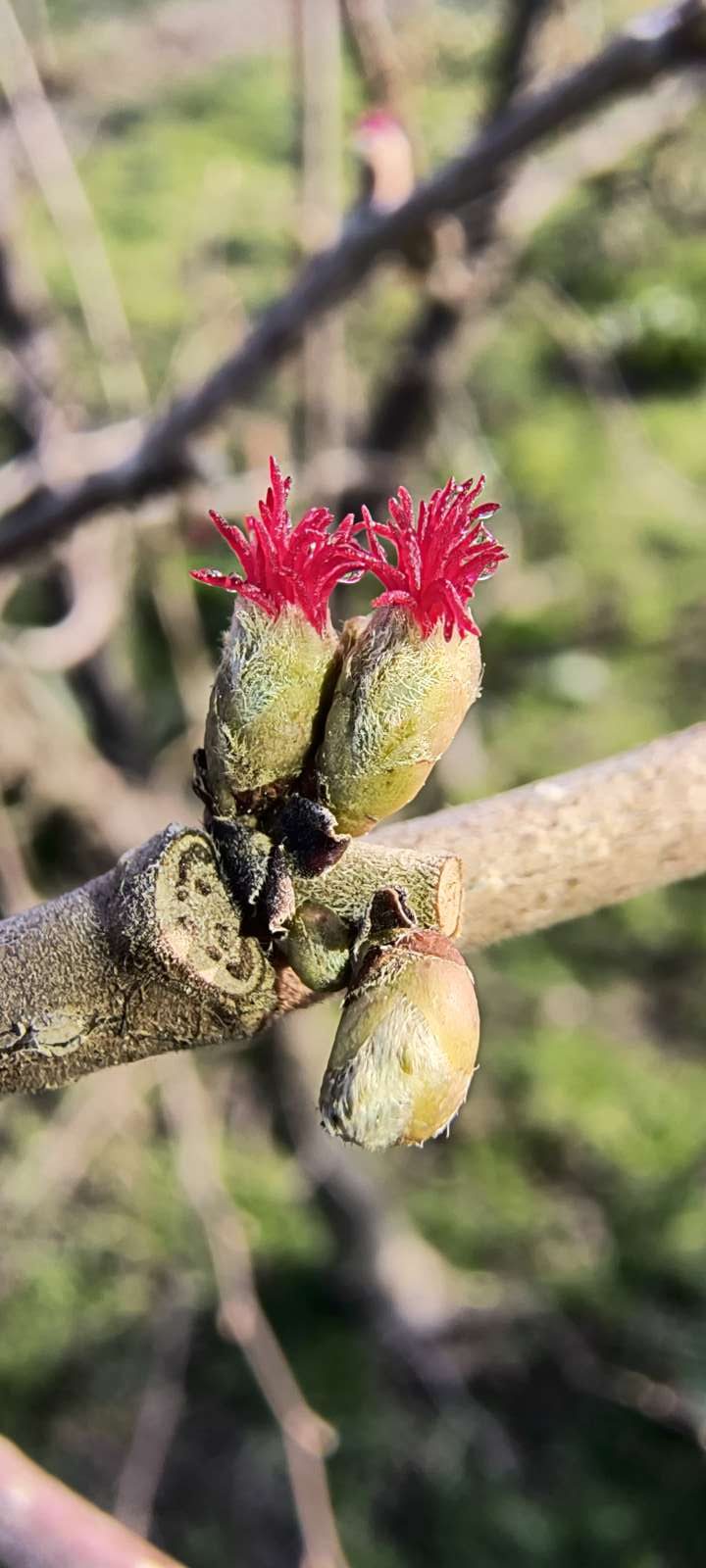
The selection of over 4,000 individual plants, all obtained from the cross between the two most prized Italian hazelnut varieties—“Tonda di Giffoni” and “Tonda Gentile Romana”—the result of extensive genetic improvement work, led to the development in 1983 of the new hazelnut cultivar Tonda Francescana®.
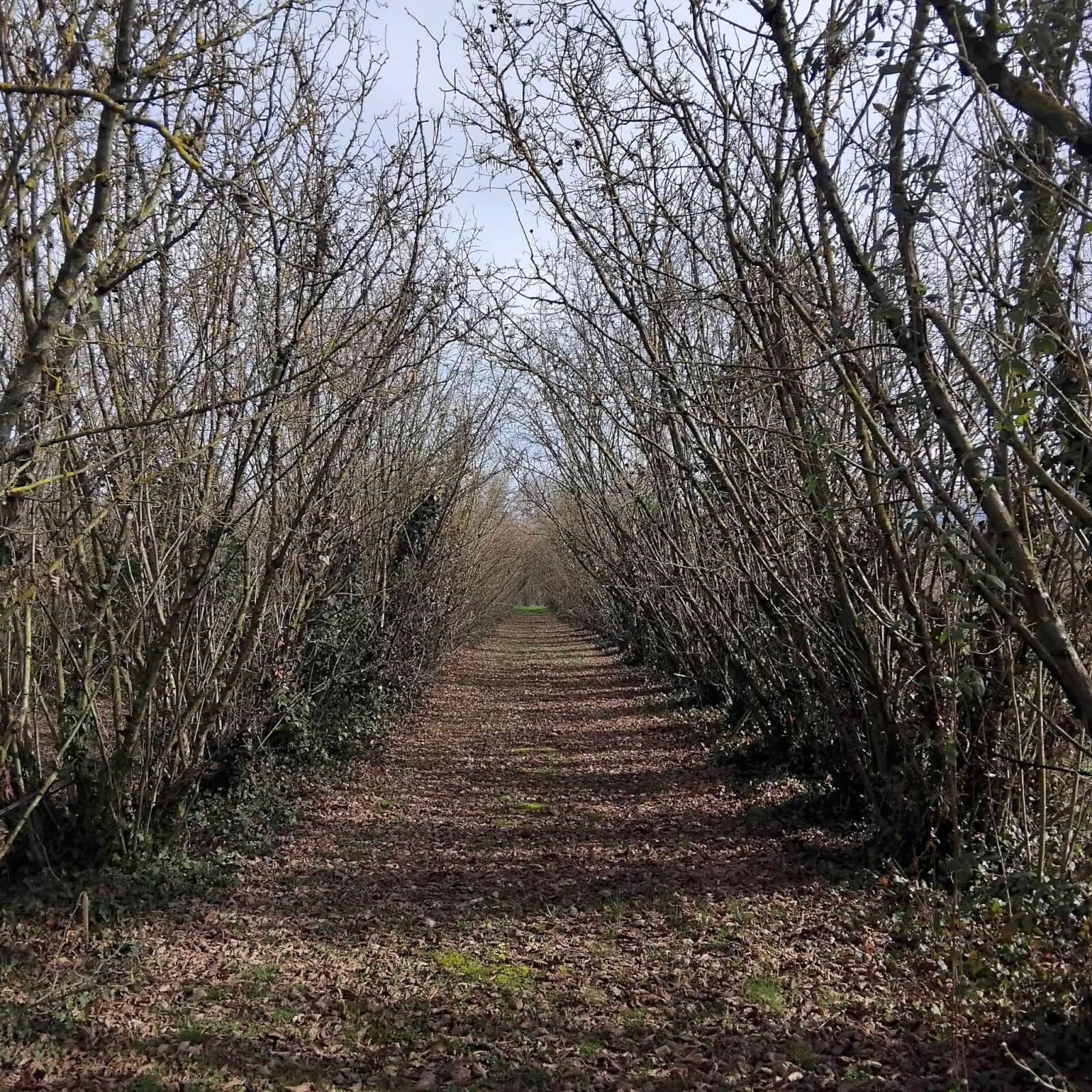
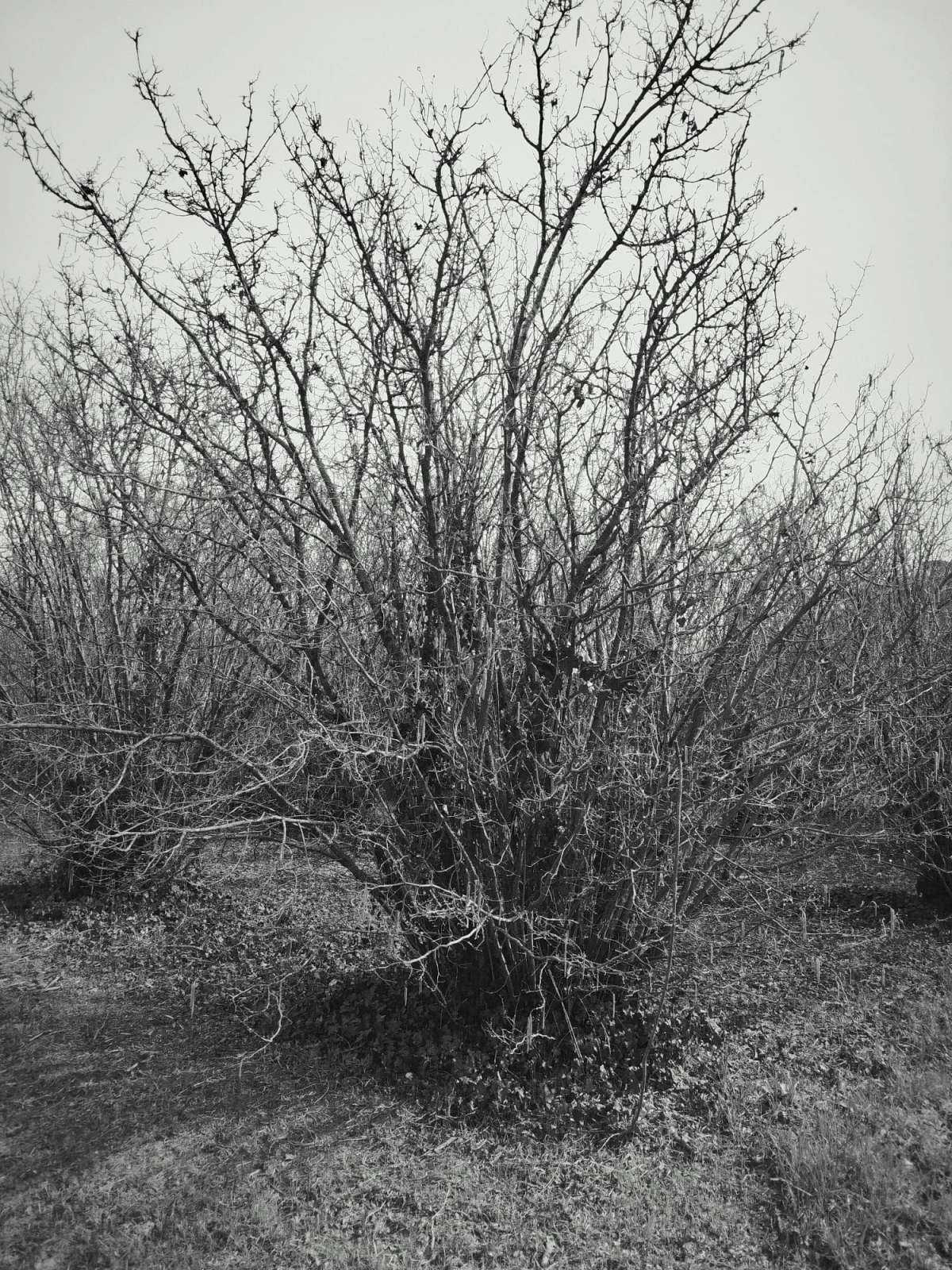
The numerous initial crosses and subsequent selection were carried out by the research group led by Prof. Agostino Tombesi. This group included Prof. Daniela Farinelli and Mirco Boco, all working at the Tree Cultivation Research Unit of the University of Perugia’s Department of Agricultural, Food and Environmental Sciences. Fieldwork was conducted in the Fosso di Provancio area of the town of Deruta, where it is still possible to see the many results of the research, along with the oldest specimens of the Tonda Francescana® variety.
In 2019, through a joint effort between the University of Perugia (UNIPG), the Department of Agricultural, Food and Environmental Sciences (DSA3), and the Foundation for Agricultural Education in Perugia (FIA), an agreement was signed for the promotion and productive exploitation of the patent of this variety.
This collaboration represents an extraordinary example of technology transfer, by means of which scientific research is transformed into applied innovation and development, contributing to the spread of a variety that now serves as a benchmark for hazelnut cultivation in Italy and worldwide.
Developed to meet the challenges of the modern market, Tonda Francescana® stands out for its early entry into production, its later fruit set (which reduces the risk of late frosts), its concentrated harvest period between late August and the first week of September (central Italy), and its high yield per hectare. At the same time, it offers the confectionery industry a fruit with superior organoleptic qualities, a spherical shape, and a very high shelling yield.
The Foundation for Agricultural Education in Perugia (FIA), a farm with 1,500 hectares of land planted in grapevines, olives, and hazels, is the exclusive worldwide licensee for the propagation and marketing of Tonda Francescana® variety hazelnut seedlings.
Tonda Francescana® is the new frontier for profitable, sustainable hazelnut cultivation.
Investing in Tonda Francescana® means choosing an efficient, safe, superior-quality supply chain.
OUR NURSERIES
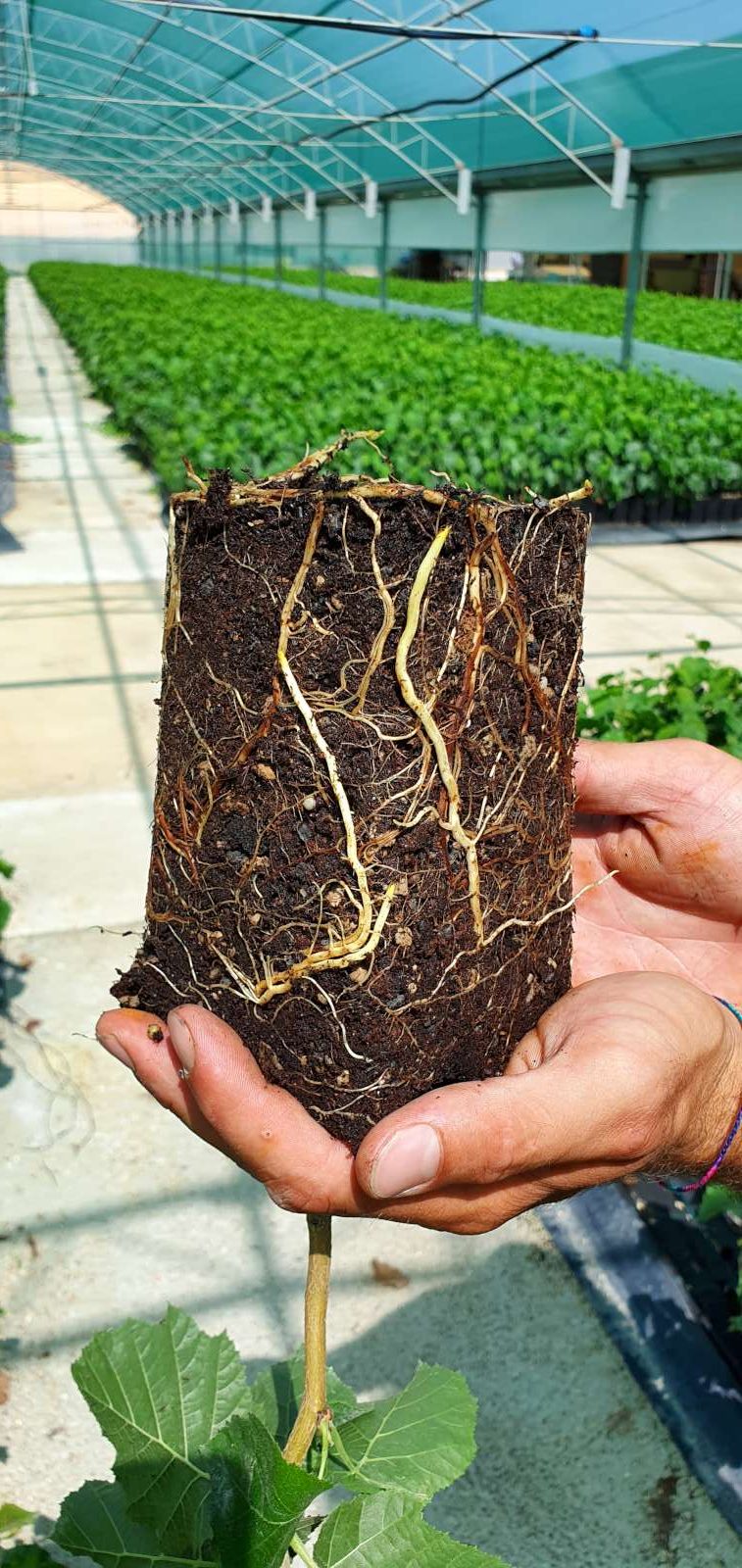
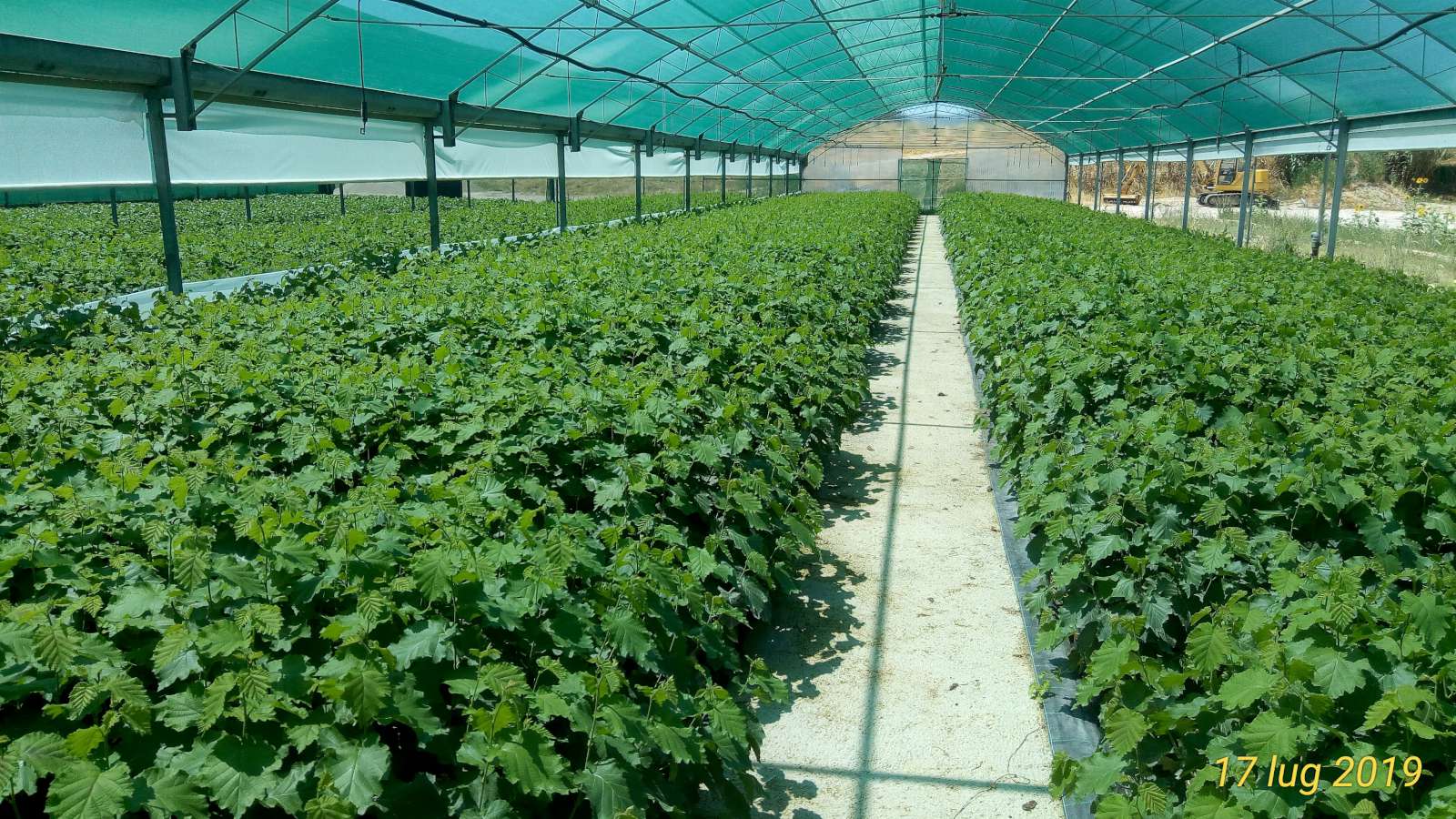
The Foundation for Agricultural Education in Perugia grows Tonda Francescana® hazelnut seedlings at its nurseries in the province of Perugia. The nurseries are all equipped with facilities and systems designed to ensure high quality standards.
The Fanciullata Nursery, located in the municipality of Deruta (PG), has 21 sheltered structures, including polycarbonate greenhouses and shade houses, covering a total area of over 5,000 m².
The Olmeto Nursery, located in the municipality of Marsciano (PG), consists of 8 greenhouses covered with shading systems, for a total area of approximately 4,000 m².
The seedlings are grown in polyethylene containers arranged in 120-cm-wide beds. Each plot is identified by a unique code that allows for complete traceability of production, making it possible to constantly record and update cultivation operations, stock availability, and the characteristics of the plants being cultivated.
The irrigation systems are supplied with water that has been pre-treated to reduce its calcium content, and are equipped with fertigation and foliar fertilizer distribution systems using volumetrically controlled dosing equipment. These systems ensure precise, uniform delivery of water and nutrients, which contributes to producing healthy, vigorous, high-quality seedlings.
Tonda Francescana® seedlings grafted onto Corylus colurna L. rootstocks are grown in open fields at the OZZ-LESKA nursery, located in Dobrić (Šabac, Serbia), a leading European nursery in the production of hazelnut and walnut trees, operating on behalf of the Foundation for Agricultural Education in Perugia (https://leska.rs/it).
The entire production process is carried out under the Foundation’s constant coordination and technical supervision, to ensure compliance with quality standards and varietal characteristics.